The bhoomi pujan marks the start of a project. In practice, the weeks before it decide how smoothly the next months go. Most delays we see on site trace back to something that could have been sorted out before the first machine arrived.
Here is the checklist we would want every client to go through.
1. Know your boundaries and levels
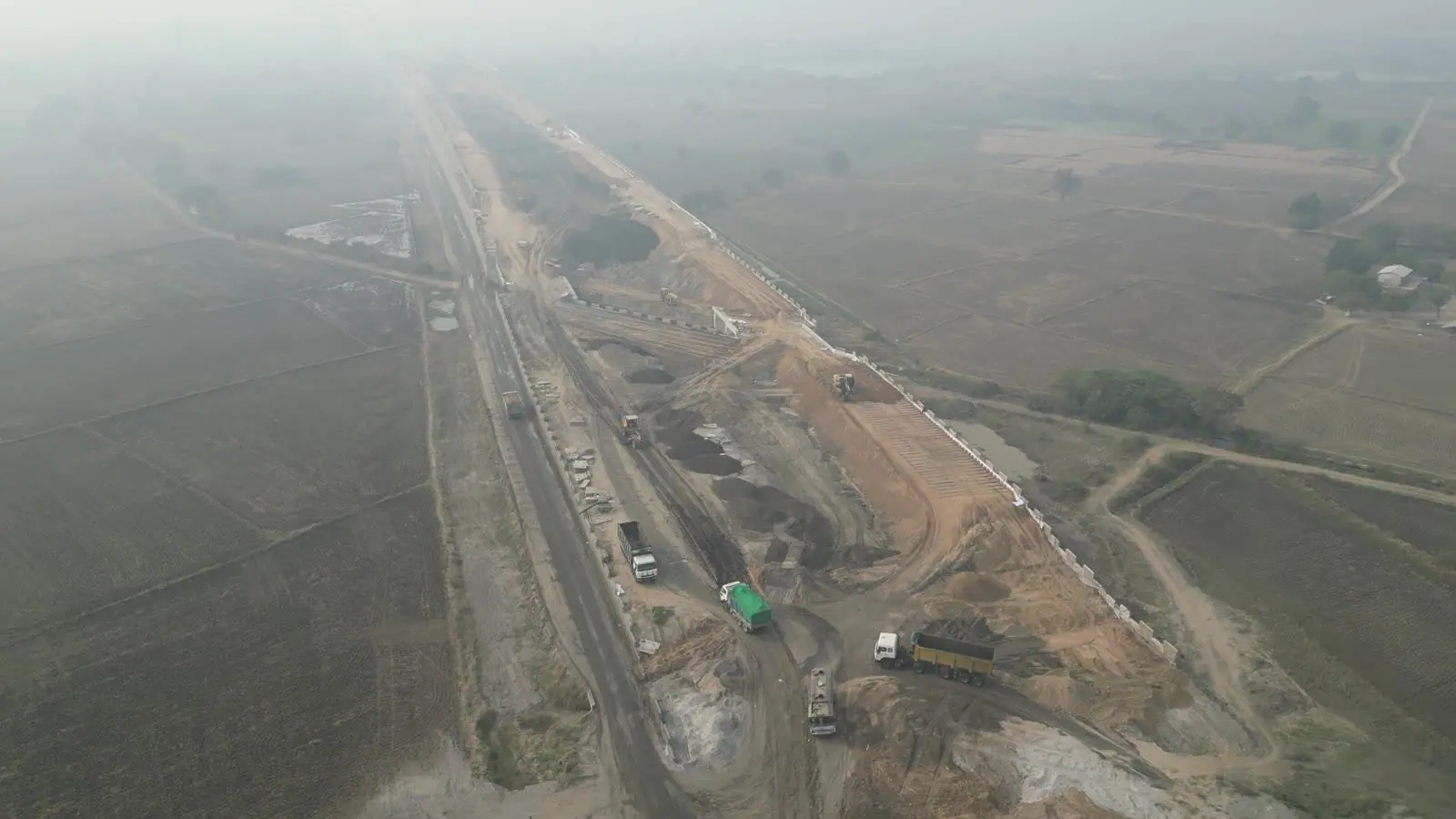
Get the plot surveyed and the boundaries marked on the ground. Know the existing ground level and the level the drawings need. The difference between the two decides how much cutting or filling is required, which is the biggest factor in earthwork cost.
2. Find out what is underground
Old foundations, septic tanks, water lines, cables and drains turn up on almost every urban plot. Ask the previous owner, check with the local utility offices, and walk the site with the excavation contractor before digging starts.
3. Understand the soil
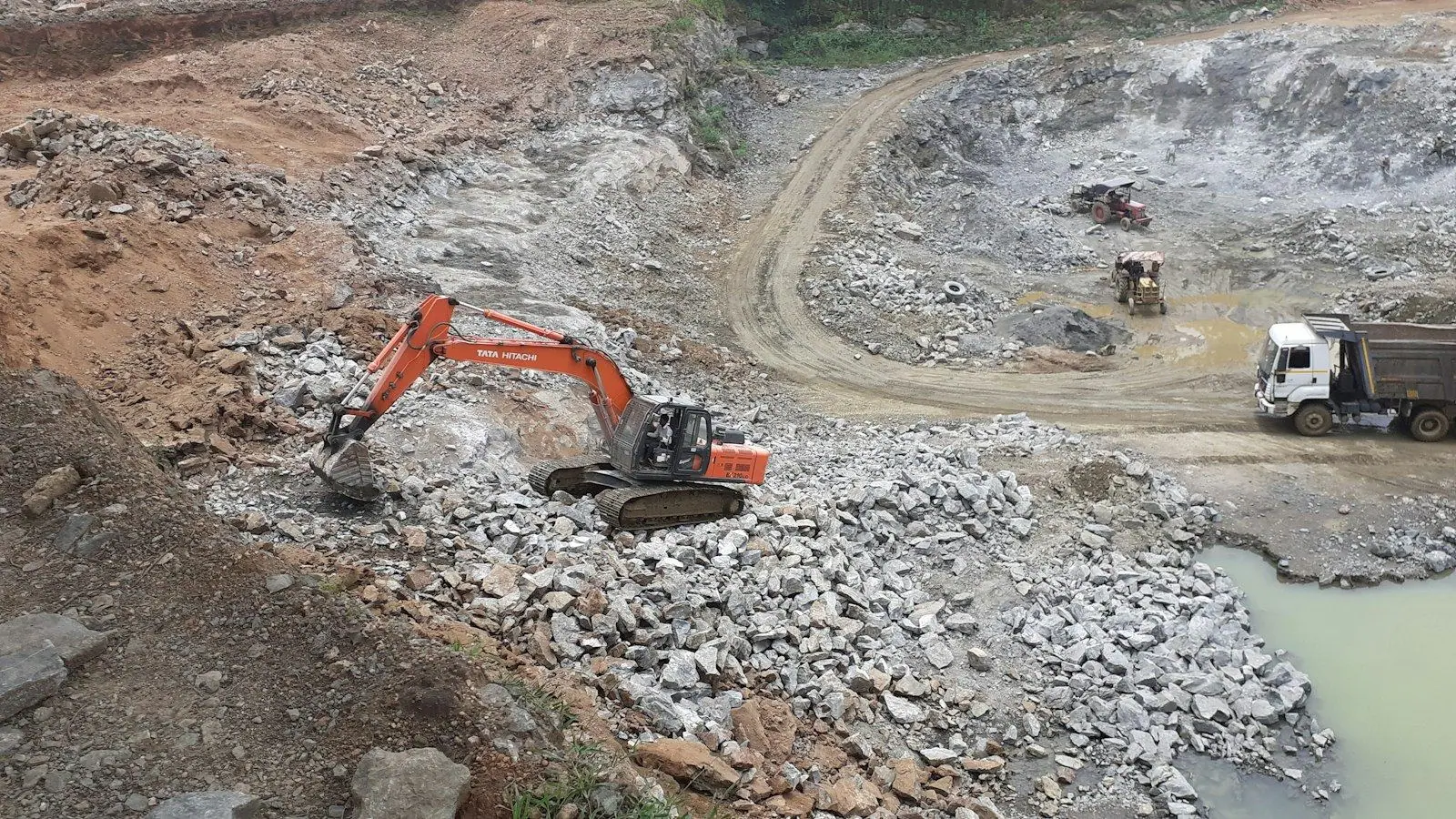
A soil investigation tells your engineer what the foundations need. It also tells the earthwork contractor whether to expect soft soil, hard strata or rock, which changes the machines needed and the time it takes.
4. Plan access for heavy machines
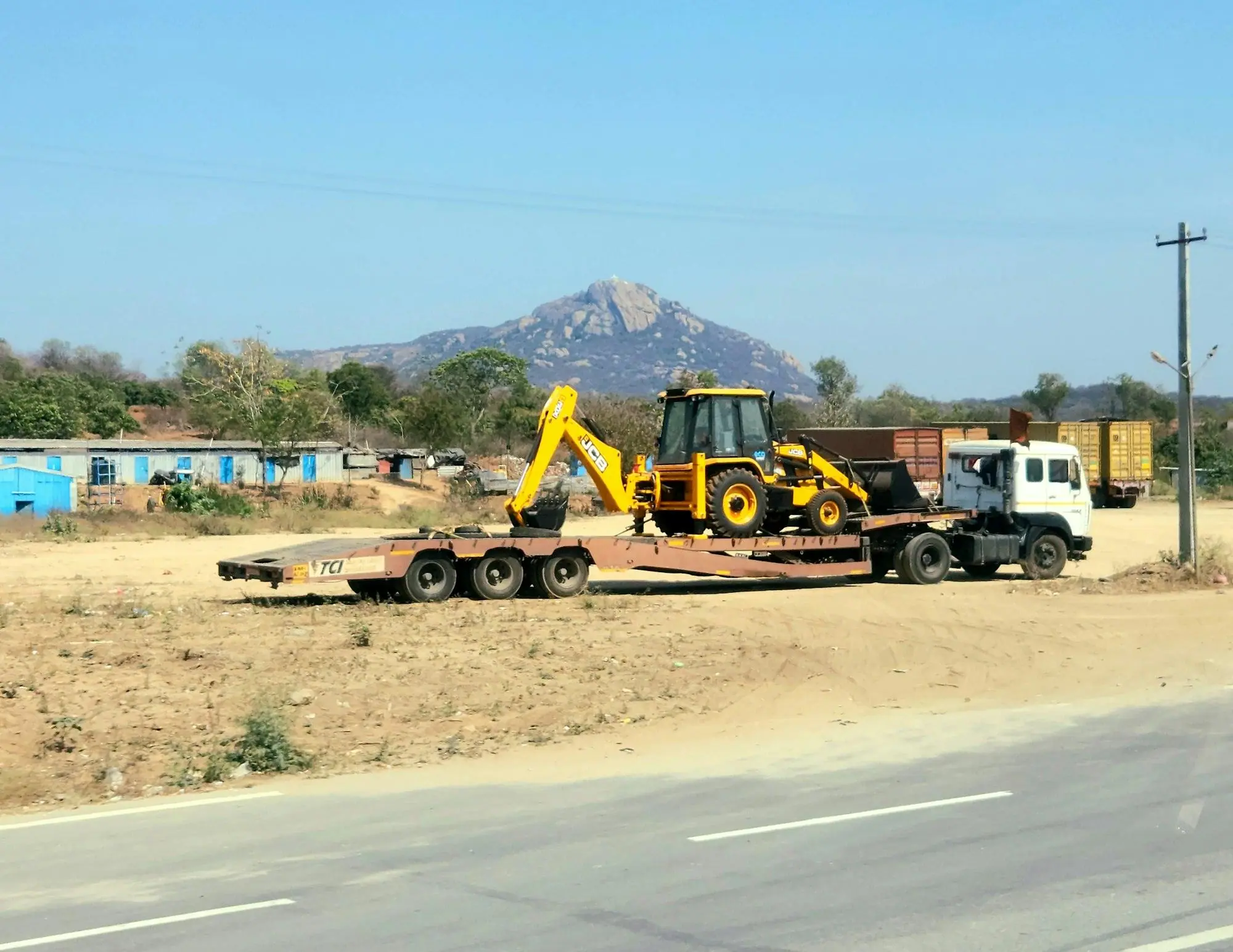
Excavators arrive on trailers and tippers come and go all day. Check the approach road, gate width, overhead wires and any turning space. Decide where tippers will load and which route they will take out, especially in busy towns where timing restrictions may apply.
5. Clear the site
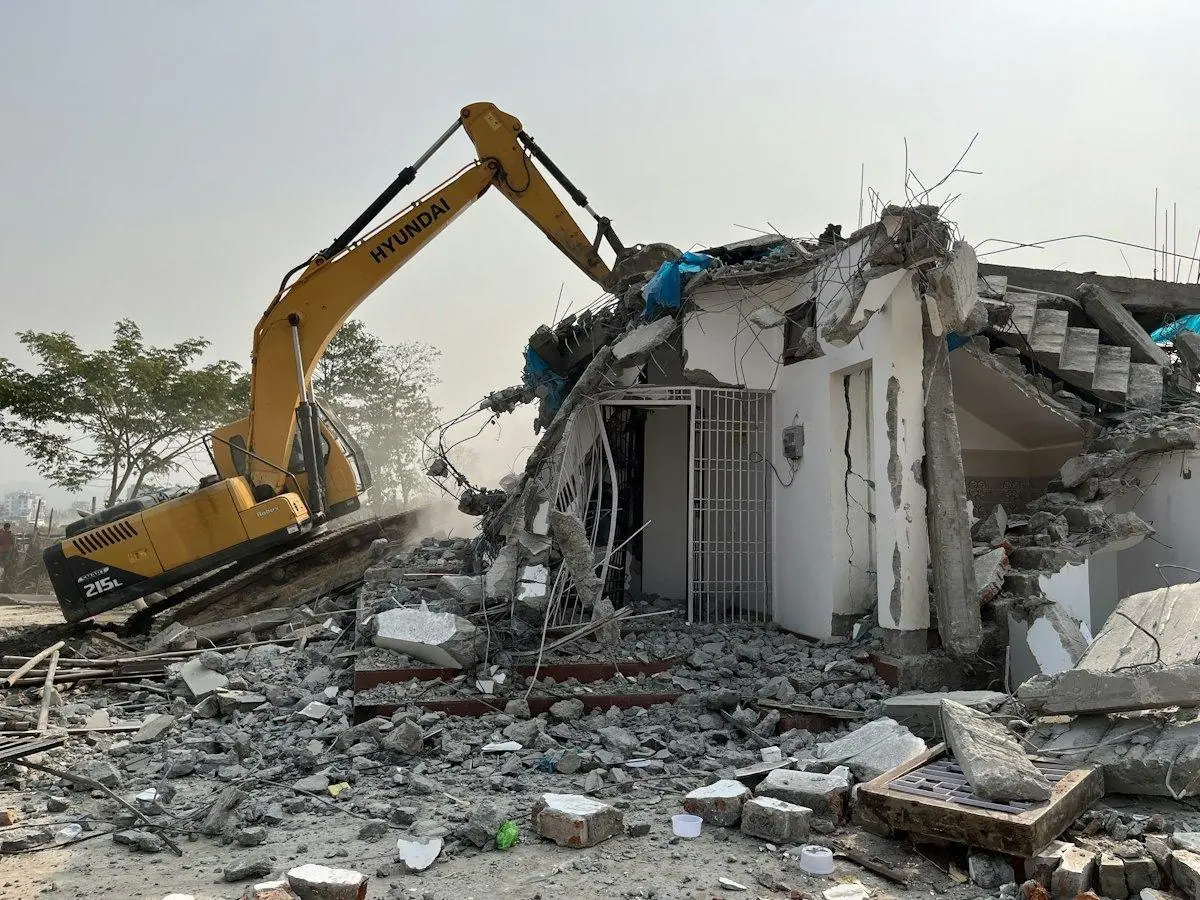
Vegetation, debris and any old structures need to go before setting out. If there is demolition involved, check the permissions your local authority requires first.
6. Decide where the earth goes
Excavated soil needs a place: a stockpile on site for backfilling later, or disposal elsewhere. Settle this early. A stockpile in the wrong place often has to be moved twice.
7. Plan around the monsoon
Earthwork and foundations are far easier in dry weather. Open excavations collect water, sides become unstable, and access roads turn to mud. Where possible, plan to have foundations out of the ground before the rains, and keep pumps and drainage ready either way.
8. Fix one point of contact
Machines, labour and materials all need decisions on site. Name one person on your side who can make them, and ask your contractor to do the same.
Good groundwork is the part of a building nobody sees, and everybody depends on.
If you are planning a project, talk to us before the first dig. Site preparation is where we do most of our work.