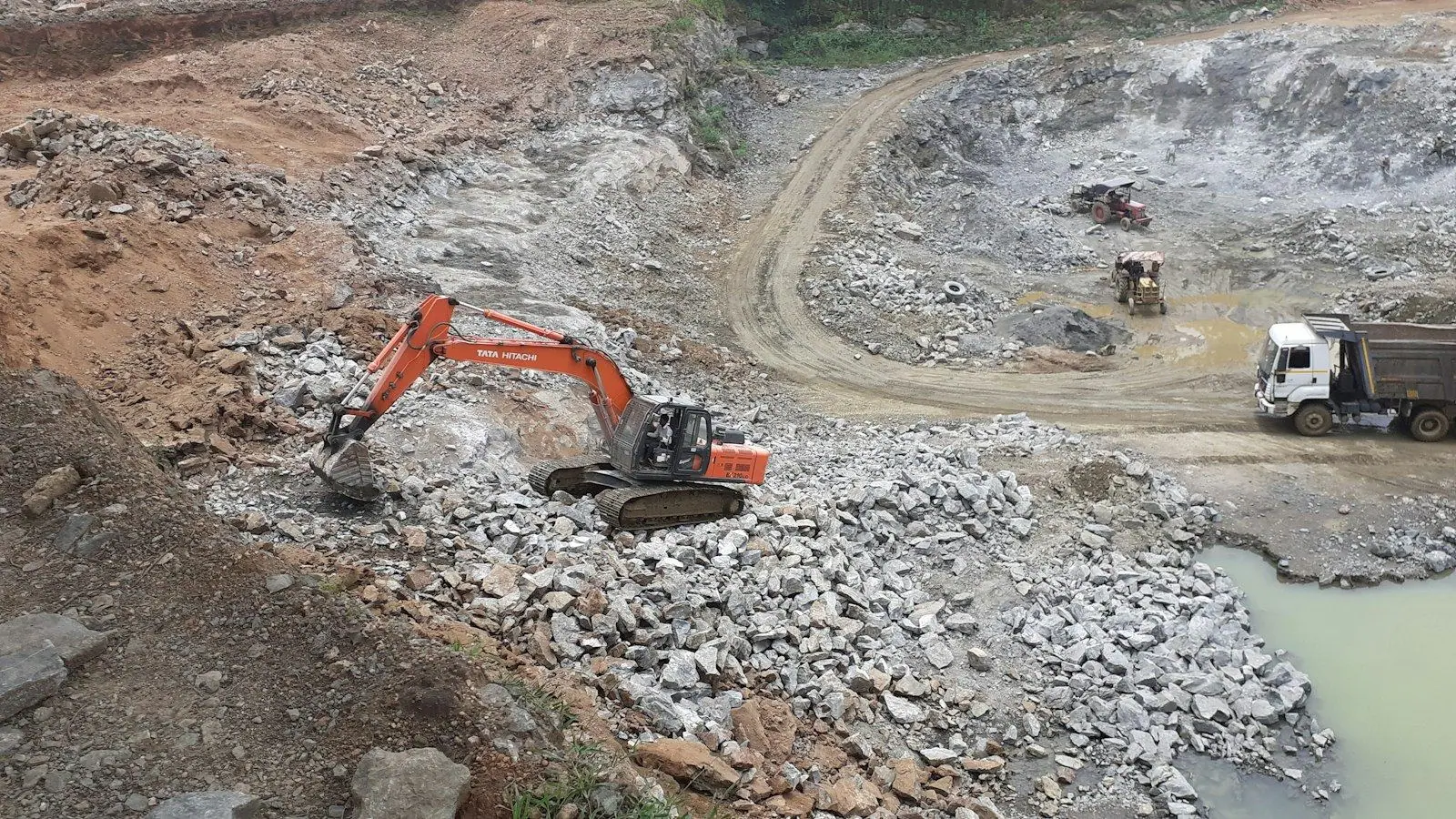
Most of the time lost on a machine hire is lost on the first day. The excavator arrives, and then everyone waits: for the gate to be widened, for someone to mark the trench, for diesel, for permission to start. A few decisions made in advance avoid all of it.
Agree the scope in plain words
Write down what the machine is there to do: "dig the foundation pits on grid lines A to D", "load 40 tippers of excavated soil", "clear and level the back plot". A clear scope helps the hire company send the right machine and the right bucket, and helps you judge progress at the end of the day.
Check the way in
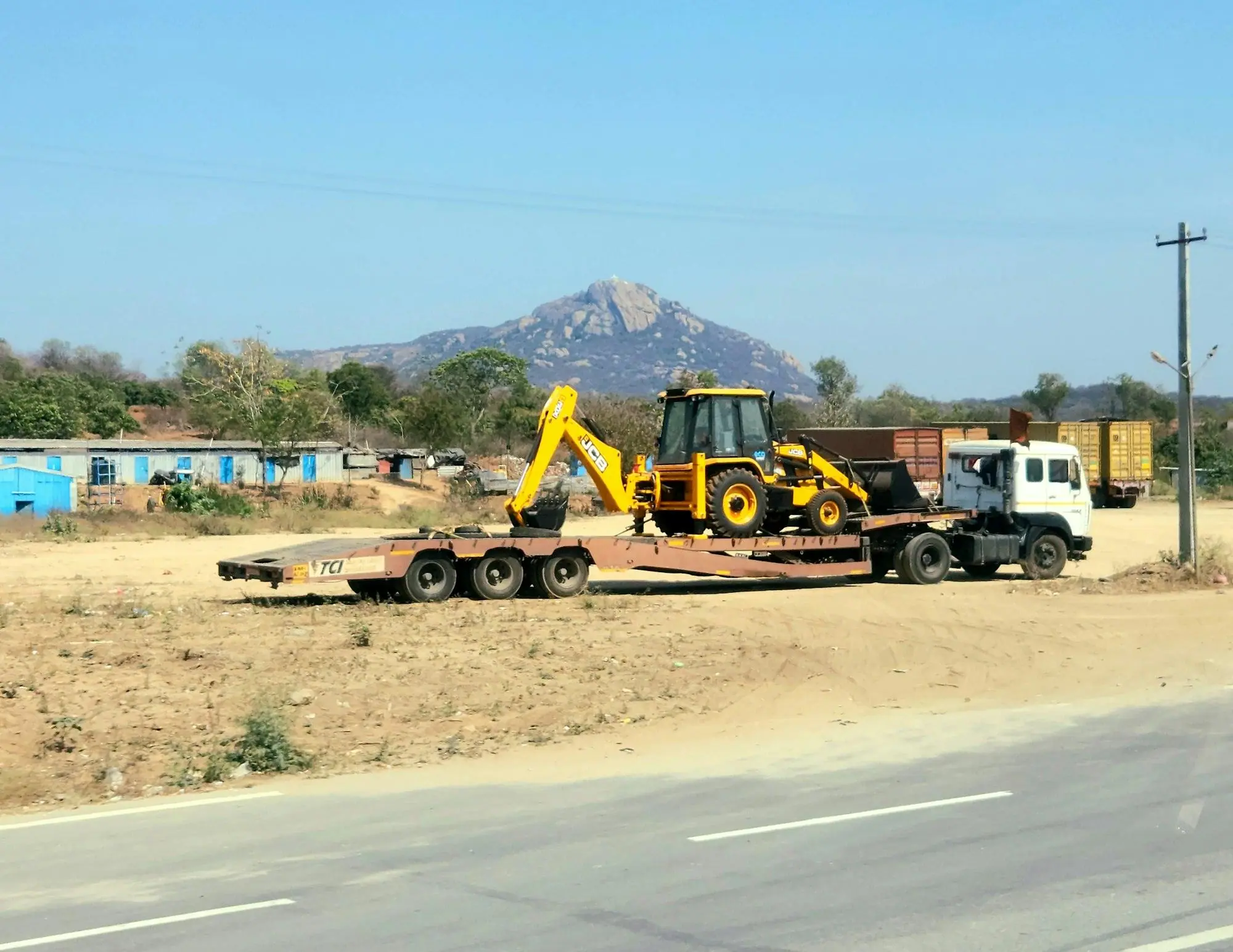
Measure the gate and the approach road. Look up for overhead wires and tree branches. If the machine arrives on a trailer, there needs to be space to unload it and room for the trailer to turn and leave.
Mark what is underground
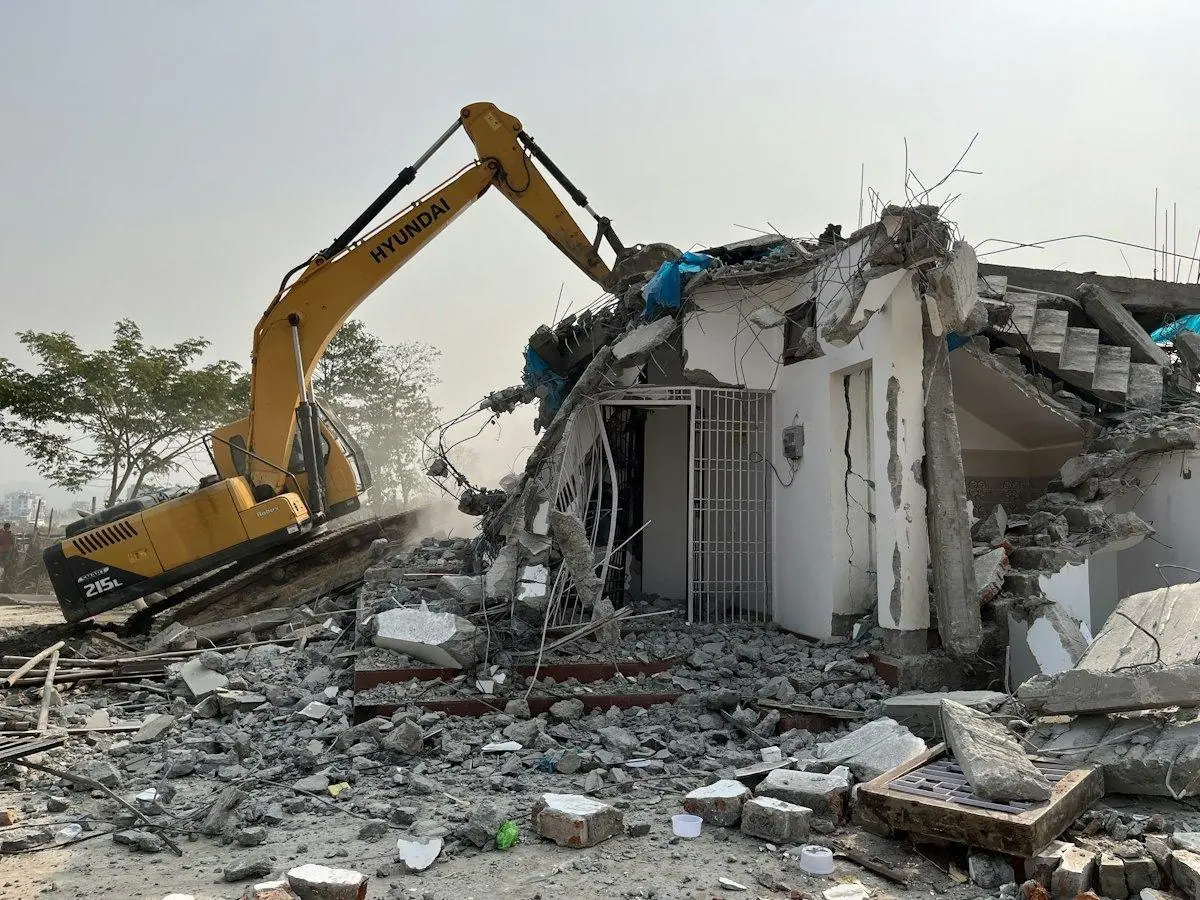
Before any digging, find out where water lines, drains, cables and old foundations run. Mark them on the ground. A machine finds buried services very quickly, and repairs cost more than the hire.
Settle the working terms
Agree these before the machine is booked, not after:
- Working hours and whether the rate is by the hour, the day or the month
- Fuel: who arranges diesel and where it will be filled
- Idle time: how waiting caused by the site is counted
- Shifting: how the machine reaches site and leaves it
Have someone on site who can decide
The operator will have questions within the first hour: how deep, where to stack the soil, which area first. Name one person on your side who can answer them.
Keep people clear
Fence off the working area of the machine. Nobody should stand within the reach of the arm or behind the machine while it slews. Tippers waiting to be loaded should have a marked place to stand.
A machine earns its hire only when it is digging. Plan the first day so it can start.
We hire out Hyundai 210 excavators and JCB 3DX backhoe loaders. Send us your site details and we will tell you which machine suits the job.